Home / Vegetables
Vegetables Tier List
Scored per 100 calories, which is why the leafy greens run away with it: almost no energy, absurd micronutrient density. The starchy ones pay the density tax.
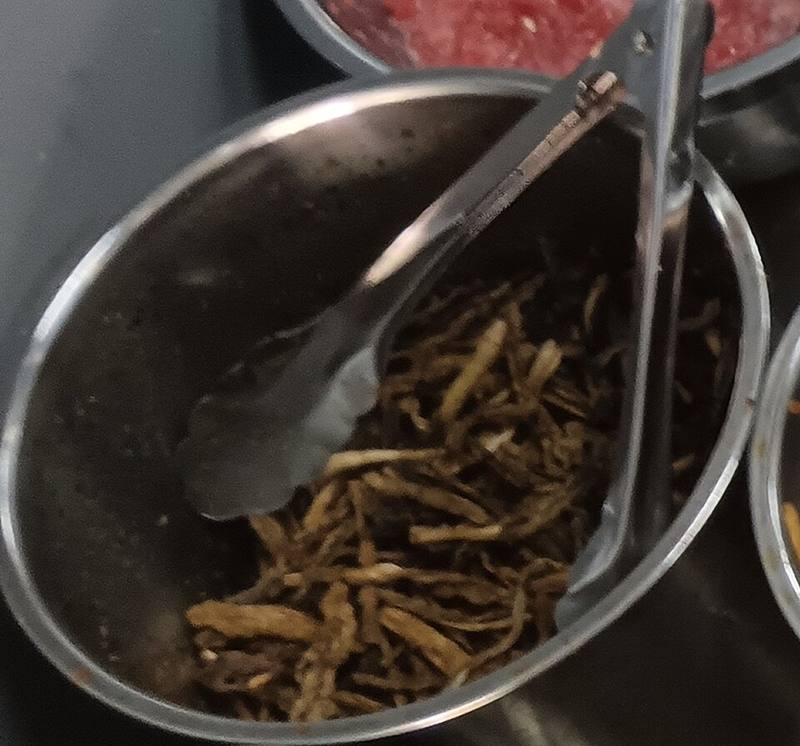
Mustard Greens
70Peppery green — vitamins K and A off the charts per calorie.
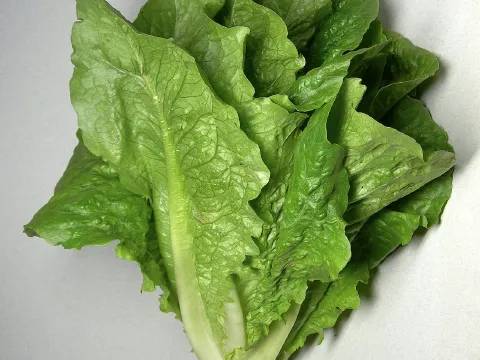
Romaine Lettuce
65Iceberg's competent sibling — actual nutrition per crunch.
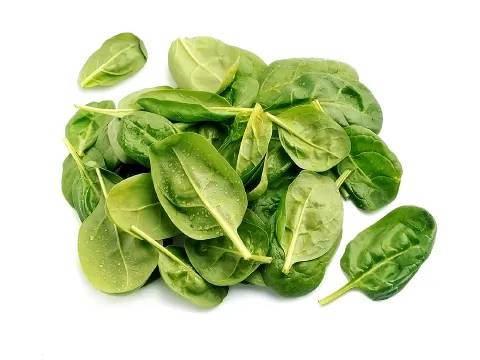
Spinach
65The micronutrient density king — 23 calories carrying a multivitamin.
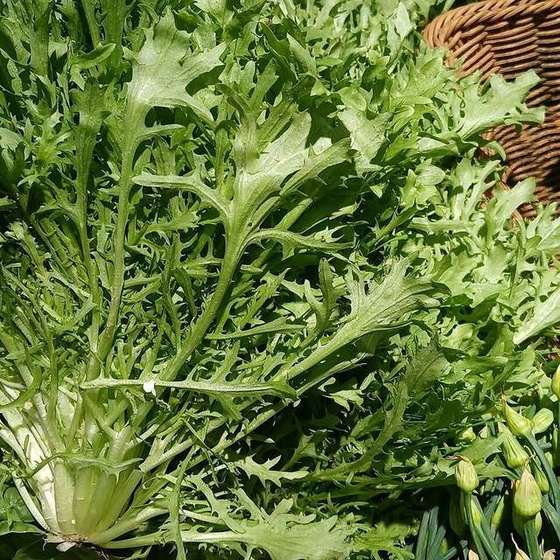
Endive
63Bitter green powerhouse — folate and vitamin A per leaf.
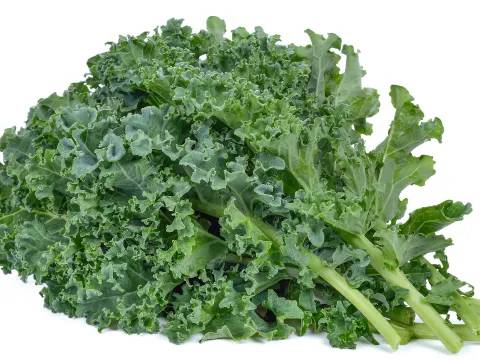
Kale
61Spinach's sturdier rival — more vitamin C, more crunch, more hype survived.
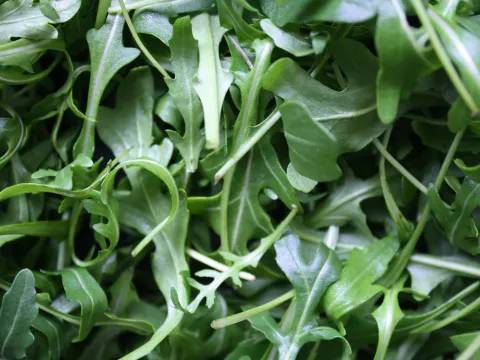
Arugula
60Peppery, calcium-rich, and basically free calorically.
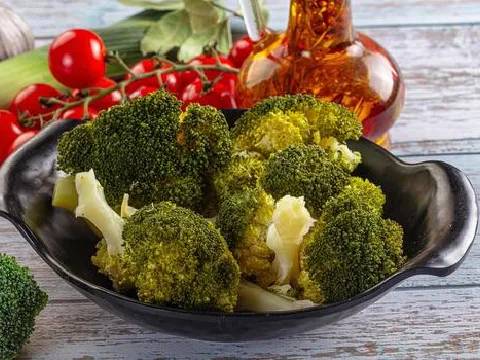
Broccoli
59The vegetable everyone was told to eat, and the science agreed.
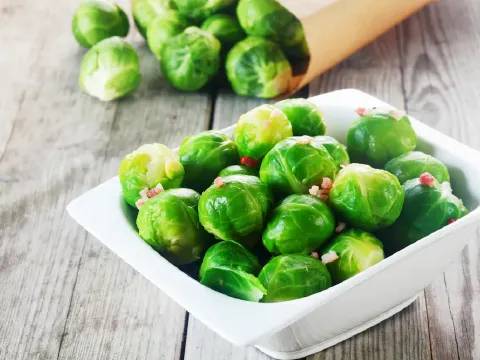
Brussels Sprouts
58Roast them hard and the bitterness surrenders. Worth the effort.
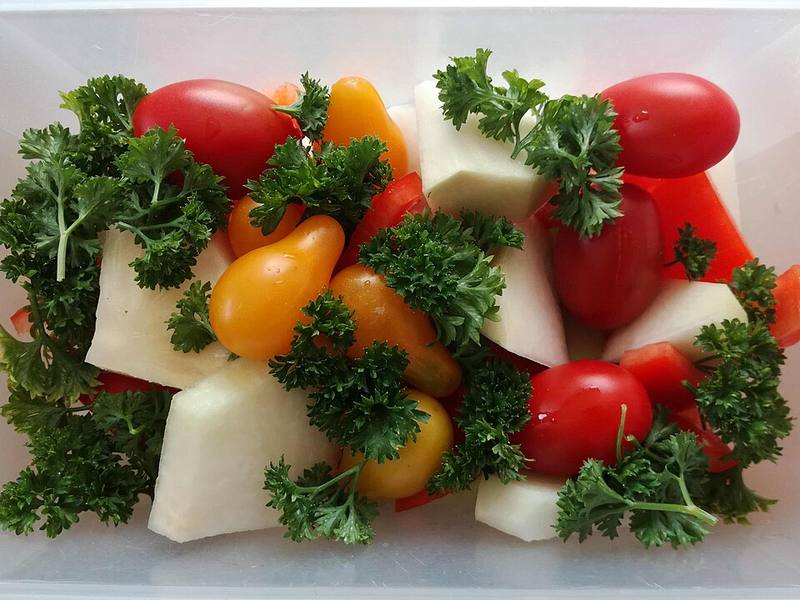
Kohlrabi
57Cabbage's mild-mannered cousin — vitamin C and fiber in a crisp bulb.
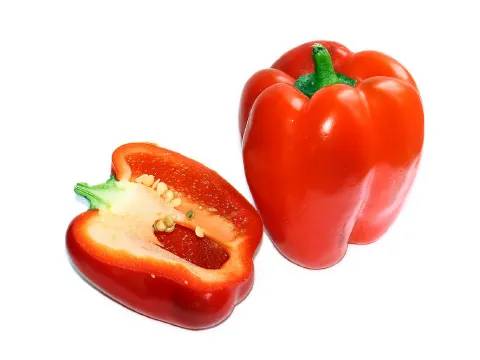
Red Bell Pepper
56More vitamin C than an orange, with crunch.
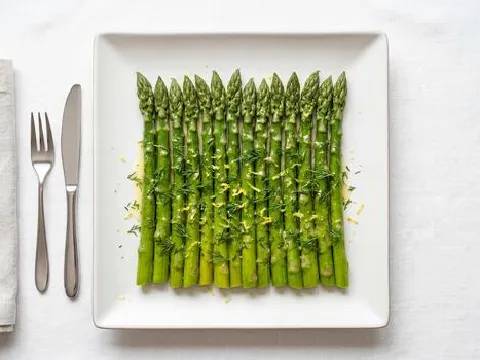
Asparagus
55A folate specialist in a slender package.
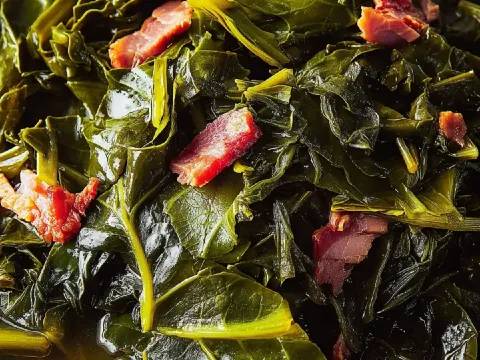
Collard Greens
55Southern cooking's healthiest accident — vitamin K for days.
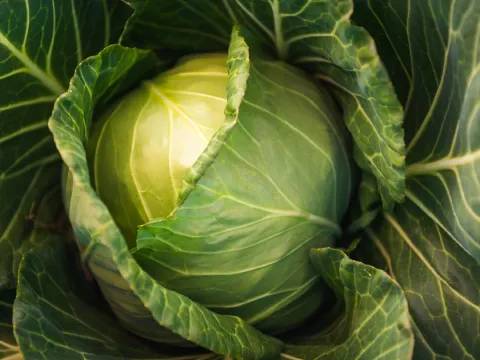
Cabbage (Green)
54The cheapest nutrition in the produce aisle, and it's not close.
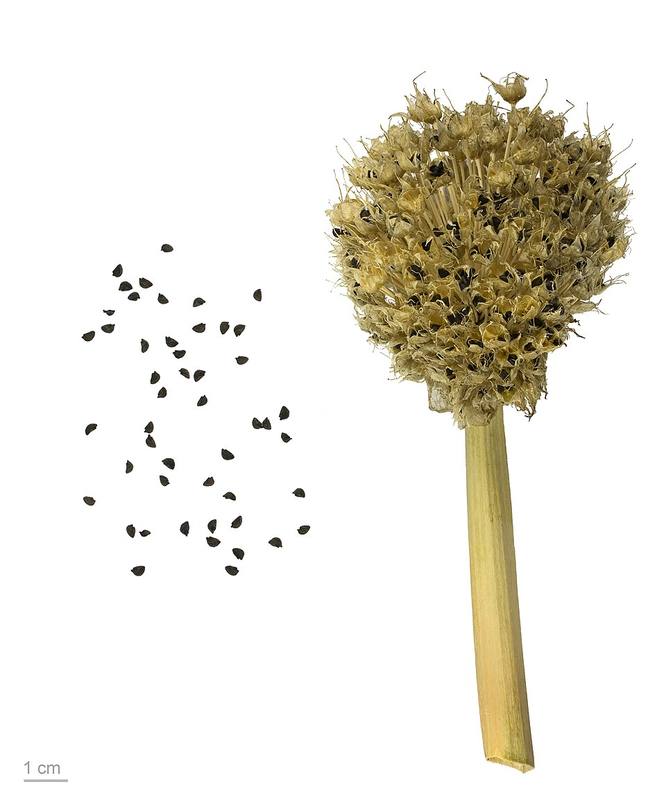
Scallions
54Onion's milder form — vitamin K packed into the green tops.
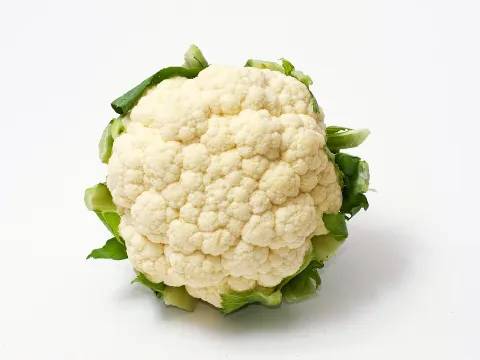
Cauliflower
53Broccoli's paler cousin — fine, but stop pretending it's rice.

Eggplant
52Meaty texture, mild nutrition — roast it, don't fry it.

Jicama
51Crunchy water-vegetable — fiber and vitamin C, almost no calories.
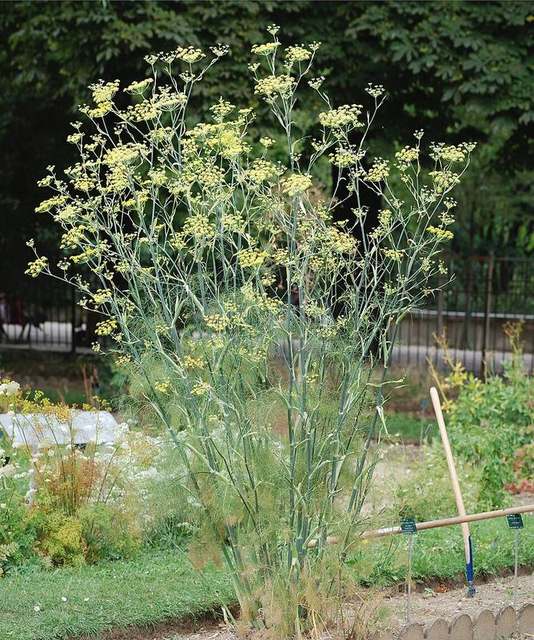
Fennel
50Anise-flavored crunch — solid vitamin C for 31 calories.

Green Beans
50Solid all-rounder, nobody's favorite, everybody's side dish.
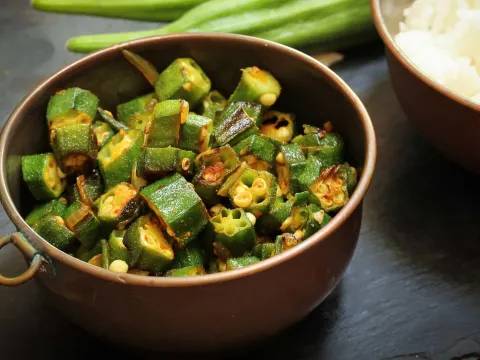
Okra
50The slime is soluble fiber — embrace it.
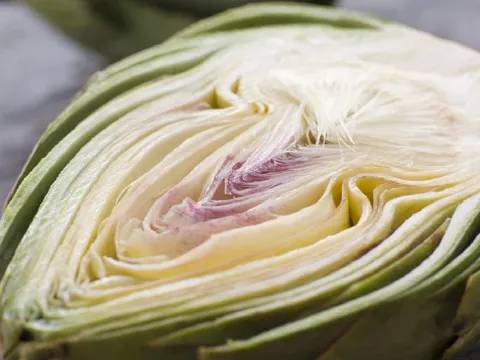
Artichoke (Globe)
49The fiber dark horse — more per bite than most grains.
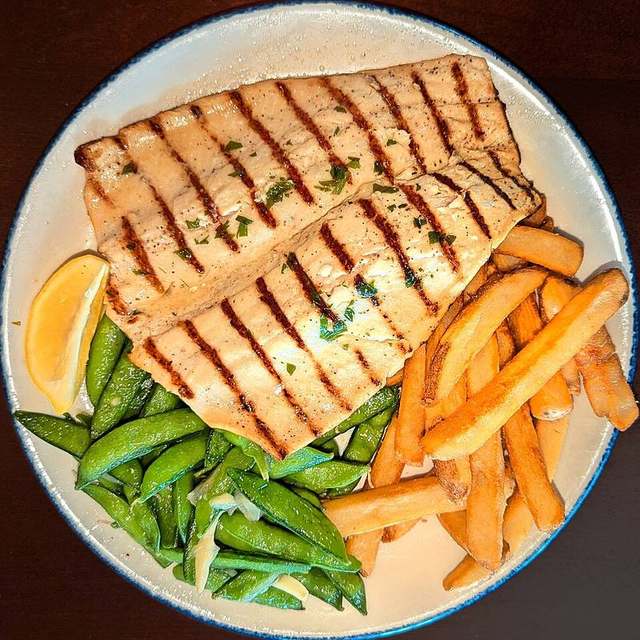
Snap Peas
49The snackable pea — fiber plus more protein than most vegetables.
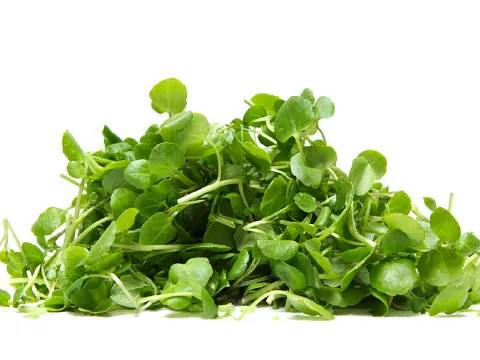
Watercress
49Eleven calories. Topped the CDC's powerhouse-vegetable ranking for a reason.
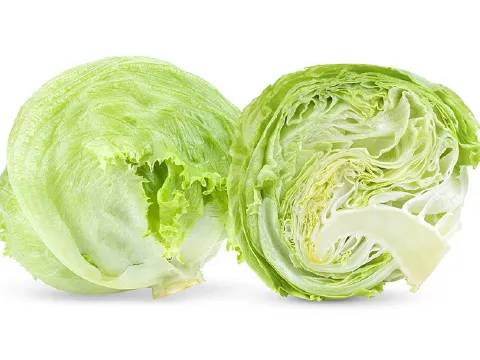
Iceberg Lettuce
47Crunchy water. The wedge salad's structural element, not its nutrition.
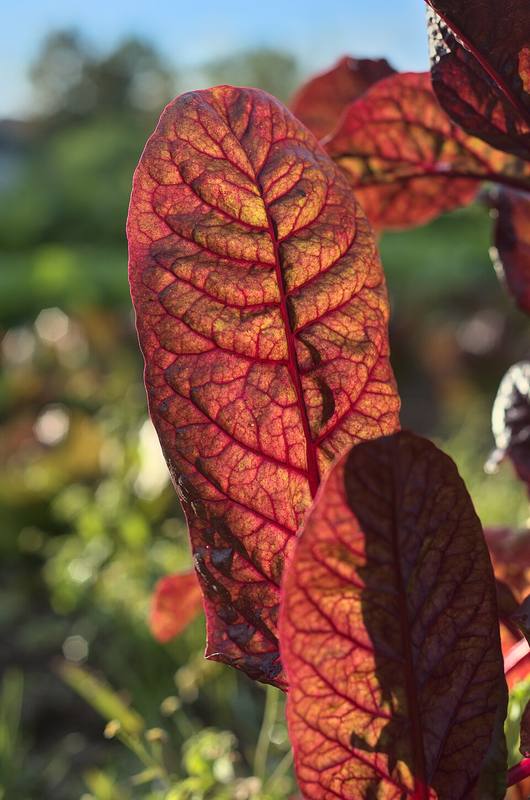
Swiss Chard
47Spinach's mineral-heavy sibling — magnesium and vitamin K per cup.
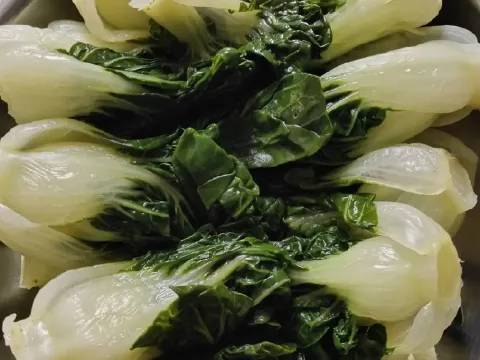
Bok Choy
46The calcium dark horse of the greens — mild enough for skeptics.
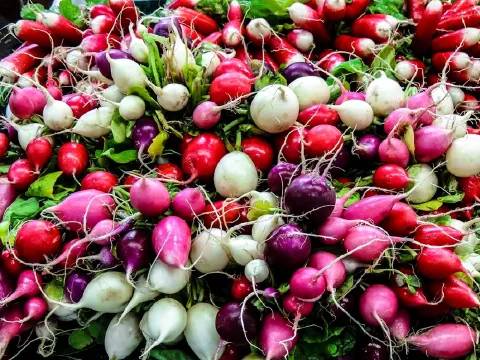
Radish
45Peppery crunch, basically calorie-free.
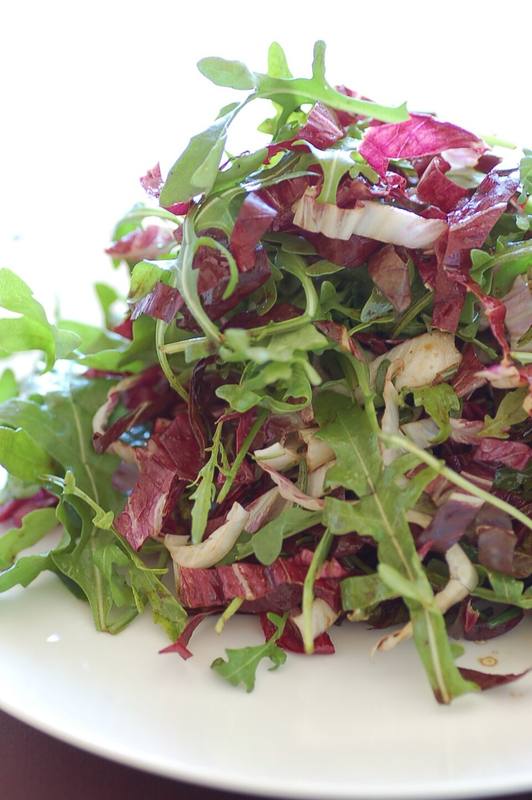
Radicchio
44The bitter red chicory — vitamin K and fiber for 20 calories.
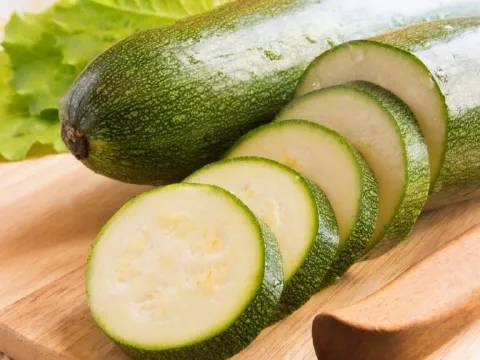
Zucchini
44Inoffensive, hydrating, and nearly calorie-free. The Switzerland of vegetables.
Tomato
43Lycopene delivery system that happens to be delicious.
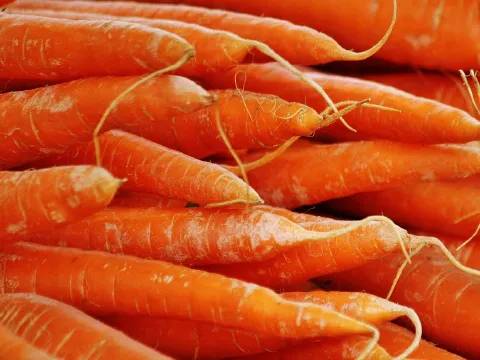
Carrots
42Beta-carotene royalty — your eyes' favorite vegetable.
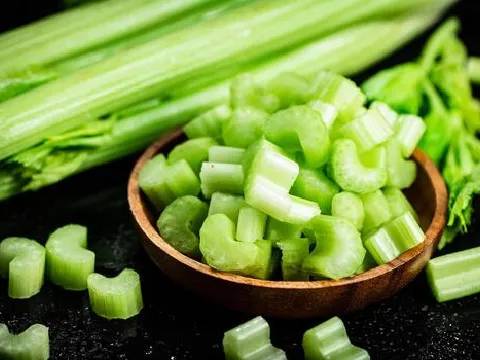
Celery
41Crunchy water with a vitamin K cameo.
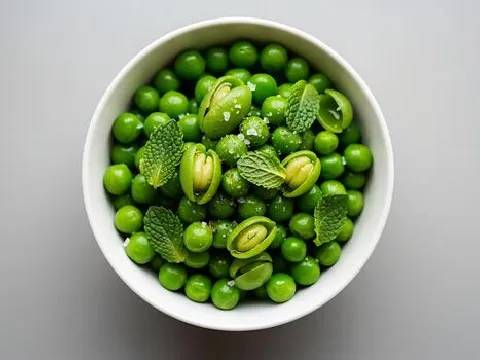
Peas
41The vegetable with the most protein ambition — 5.4g per 100g.

Rutabaga
40Turnip's sweeter cousin — potassium and vitamin C, low calorie.

Pumpkin
39Not just a latte flavor — legitimately one of the best vitamin A values around.
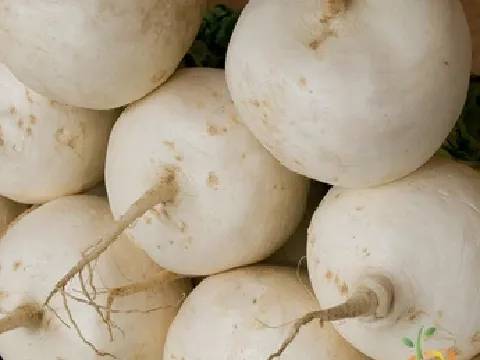
Turnip
39The root vegetable time forgot.

Butternut Squash
38Sweet potato's lighter, soup-friendlier cousin.
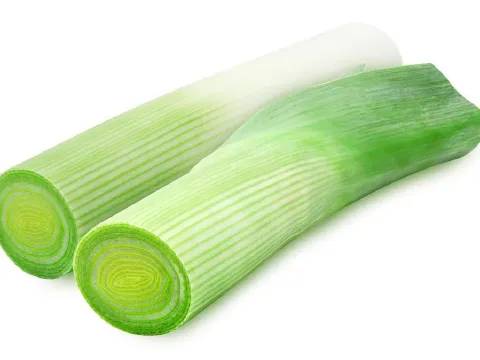
Leeks
37Onion's elegant sibling — milder, sweeter, soup-bound.
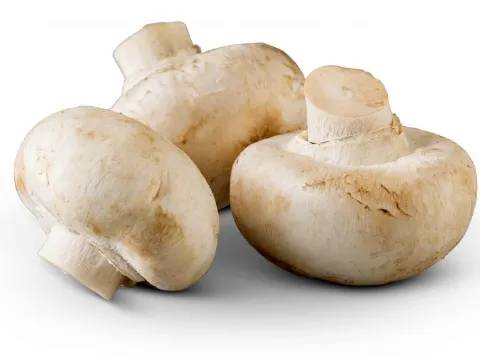
Mushrooms (White)
36The only non-animal vitamin D source here — if they've seen sunlight.
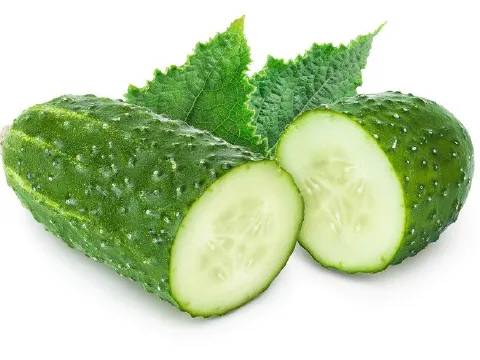
Cucumber
35Hydration with a crunch — the spa water of vegetables.

Sweet Potato
35961mcg of vitamin A per 100g — the orange means business.
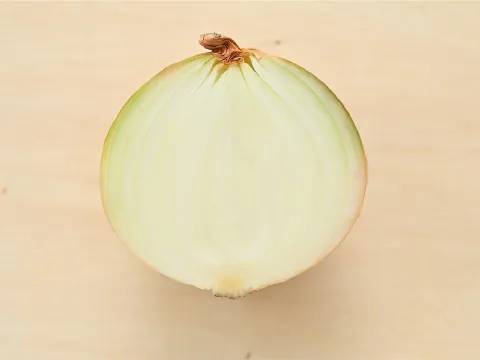
Onion
34Nobody eats 100g of raw onion, but the quercetin counts anyway.
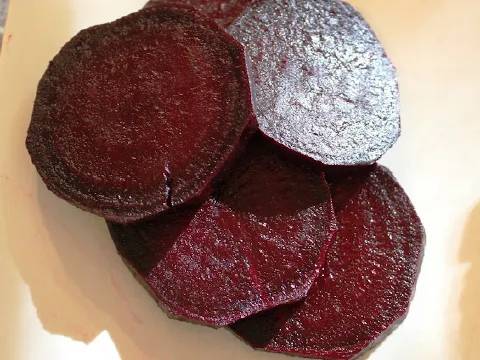
Beets
33Nitrates for blood flow, folate for everything else. Earthy in both senses.
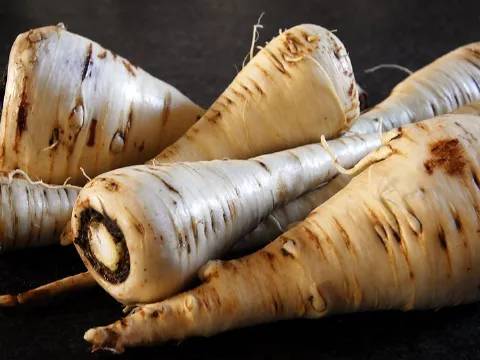
Parsnip
33Carrot's sweeter, starchier cousin.
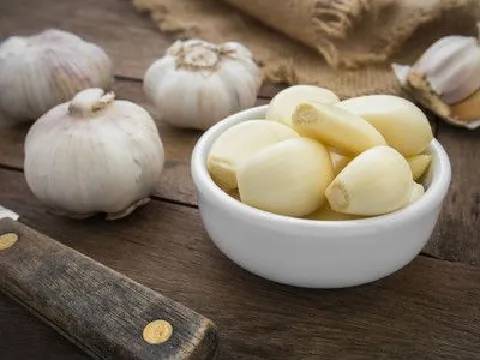
Garlic
24Allicin-rich and boldly flavored — a seasoning with a nutrient panel.
Questions
How are vegetables scored?
Every food is scored 0–100 per 100 calories across five factors (protein, fiber, micronutrients and more depending on the category), combined with fixed weights, then ranked. The top 10% of the board earn S tier. Full methodology.
What is the healthiest vegetable?
By our numbers: Mustard Greens — S tier, 70/100. See its full breakdown.