Home / Fruits
Fruits Tier List
Fiber, micronutrients, and low energy density. Dried fruit takes a penalty — it’s candy that used to be fruit.
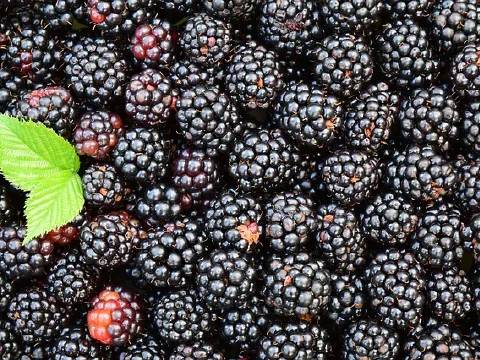
Blackberries
64Raspberries' darker, slightly more nutritious sibling.
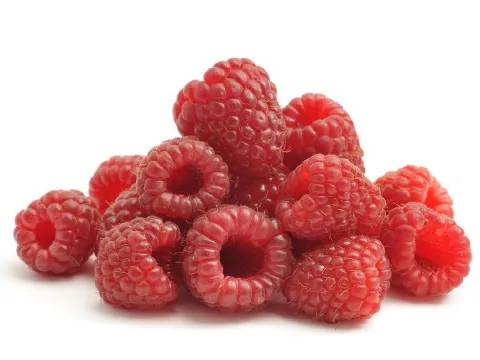
Raspberries
626.5g fiber per 100g — the fiber crown among common berries.
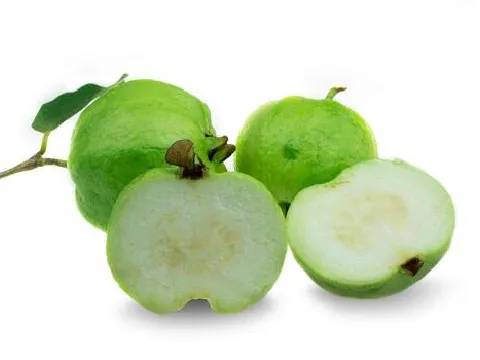
Guava
61228mg vitamin C per 100g — nearly triple an orange, with fiber to match.
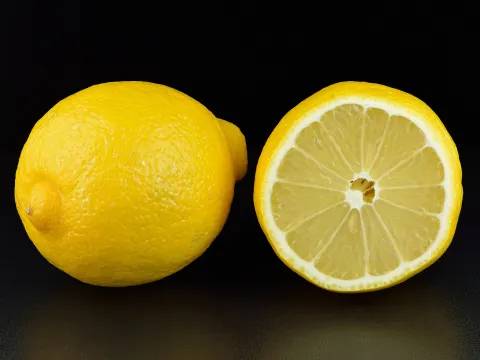
Lemon
61Nobody eats 100g of lemon — but the vitamin C per squeeze is real.
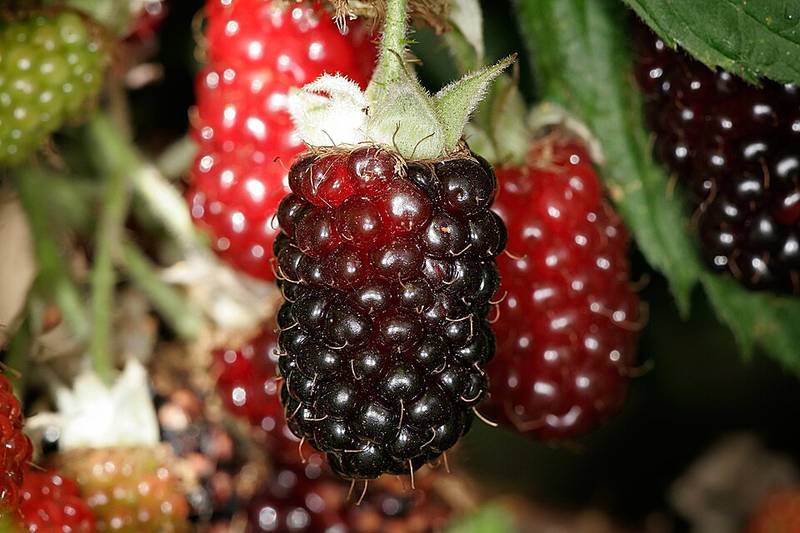
Boysenberry
59Blackberry's bigger cousin — frozen unsweetened keeps the fiber intact.
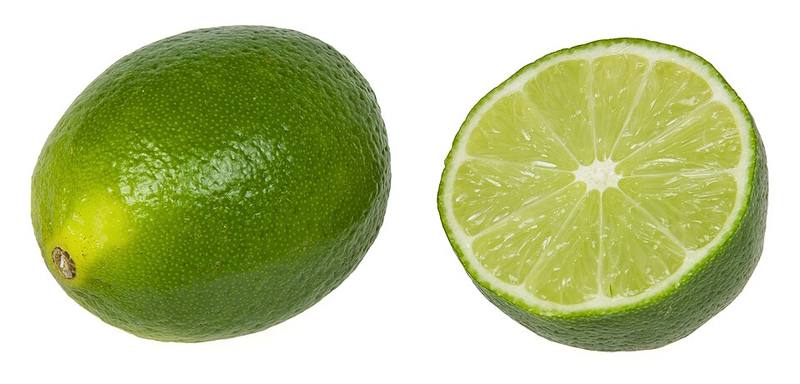
Lime
58Lemon's tarter sibling — vitamin C without the sugar load.
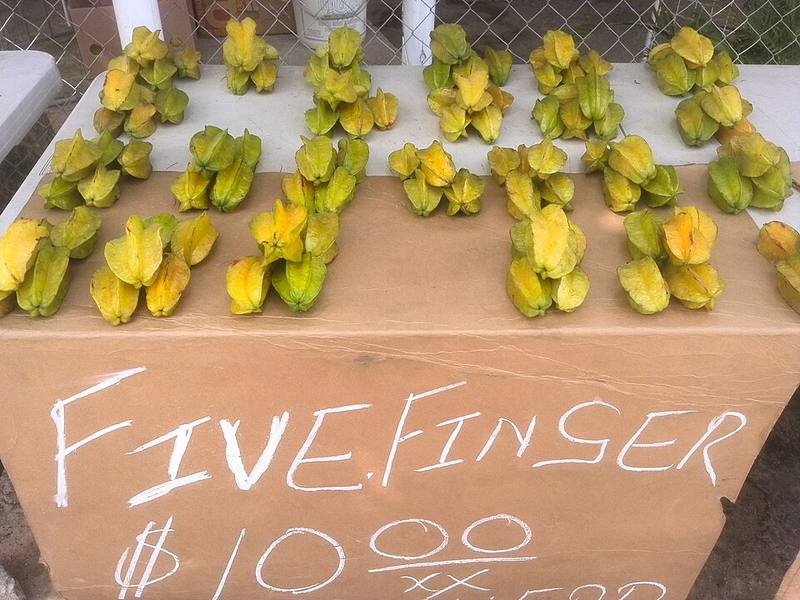
Starfruit
58Crisp tart star — low calorie, decent vitamin C.
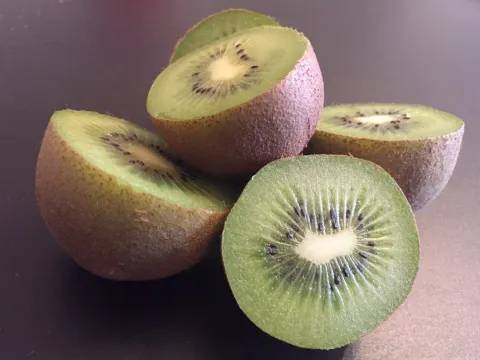
Kiwi
5793mg vitamin C — more than an orange — plus fiber and potassium.
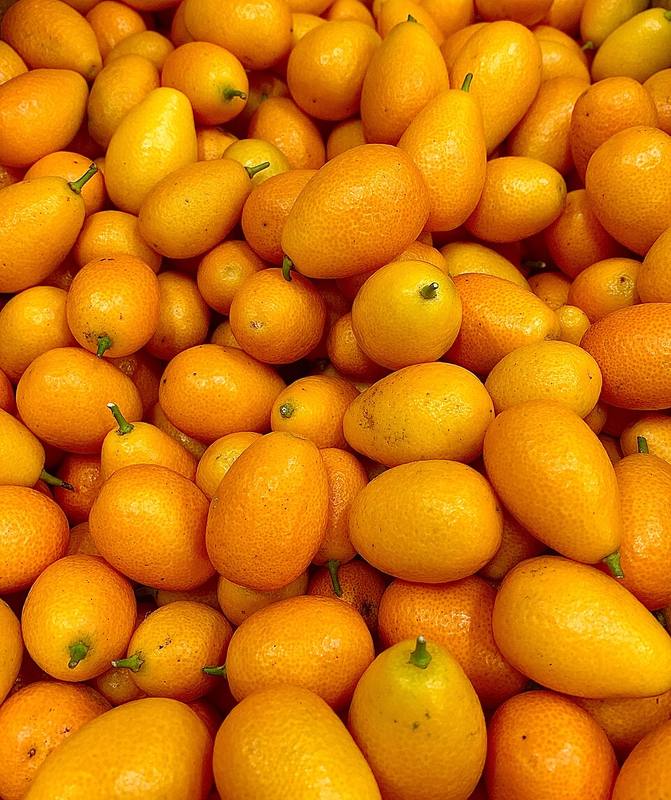
Kumquat
56Eat the whole thing, rind included — fiber and vitamin C per bite.
Passionfruit
56The fiber bomb of the fruit world — 10g fiber per 100g.
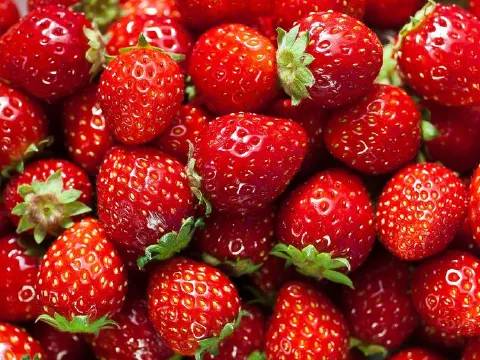
Strawberries
56More vitamin C than an orange at two-thirds the calories.
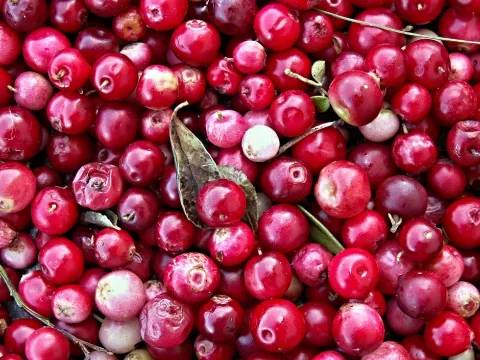
Cranberries
51Too tart to eat raw — the juice cocktail is where the sugar ambush happens.
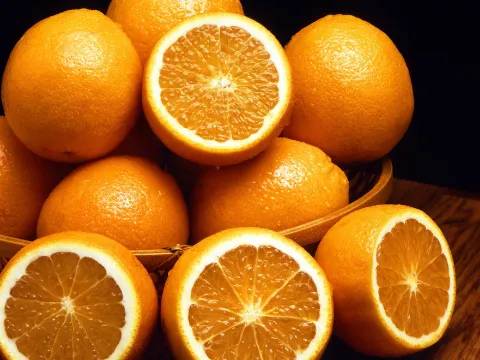
Orange
5153mg vitamin C per 100g — the reference implementation of citrus.
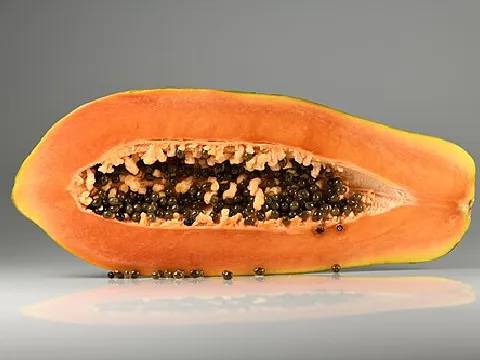
Papaya
5061mg vitamin C and real vitamin A — the tropics' multivitamin.
Clementine
48The two-bite orange — vitamin C in a lunchbox package.
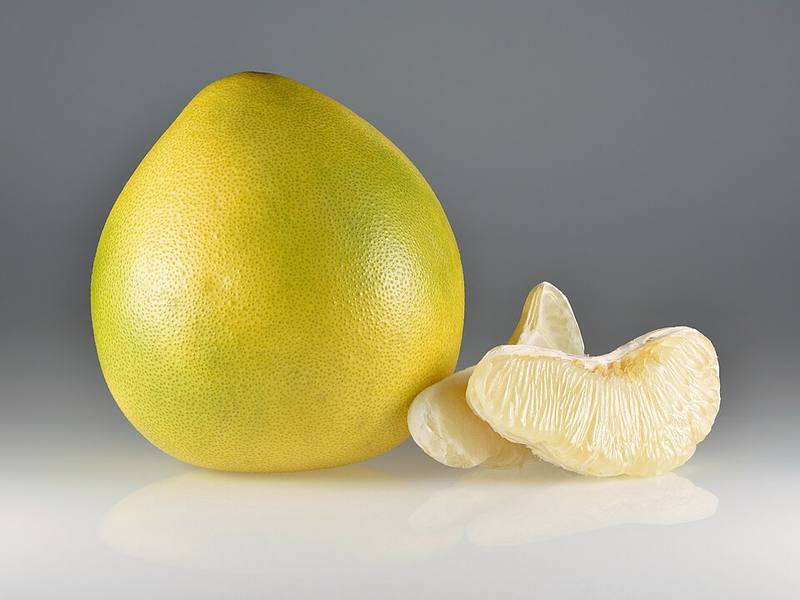
Pomelo
47Grapefruit supersized — less bitter, more potassium.
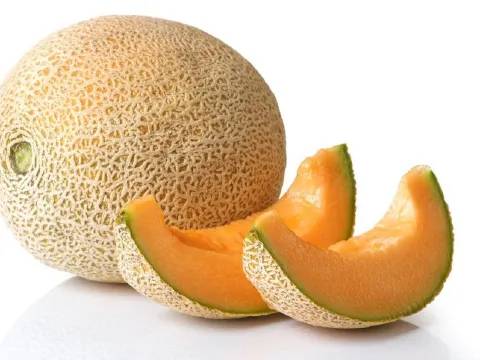
Cantaloupe
46169mcg vitamin A per 100g — the melon that actually brings nutrients.
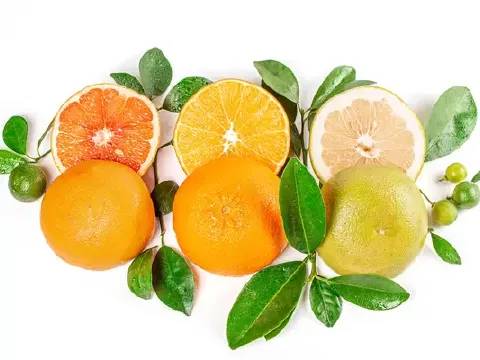
Grapefruit
46Vitamin A and C in a bitter package — check your meds, it interacts with many.
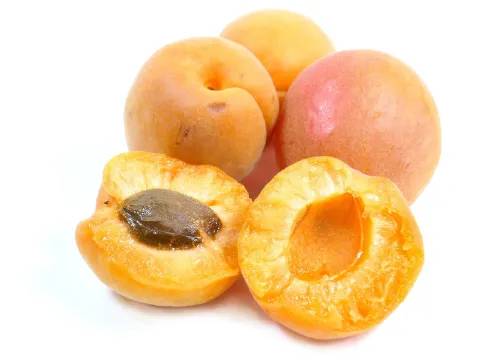
Apricot
45Small fruit, serious vitamin A — 96mcg per 100g.
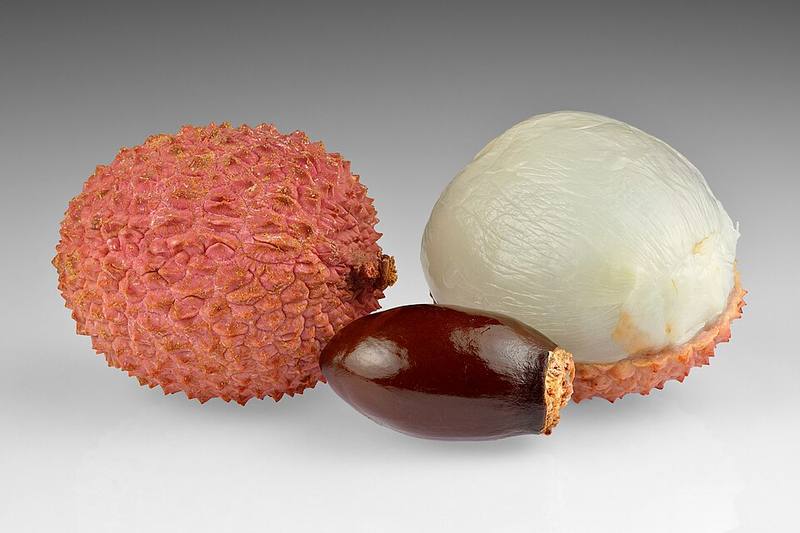
Lychee
45Candy-sweet tropical — vitamin C nearly covers your whole day.
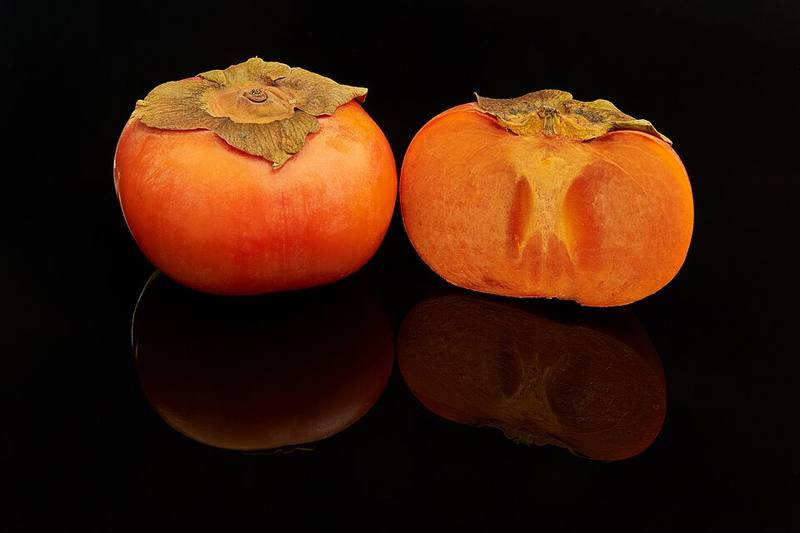
Persimmon
45Honey-sweet autumn fruit — fiber and vitamin A in every bite.
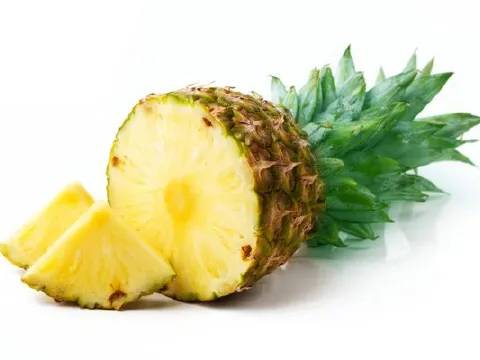
Pineapple
45Bromelain gets the hype; the 48mg of vitamin C does the work.
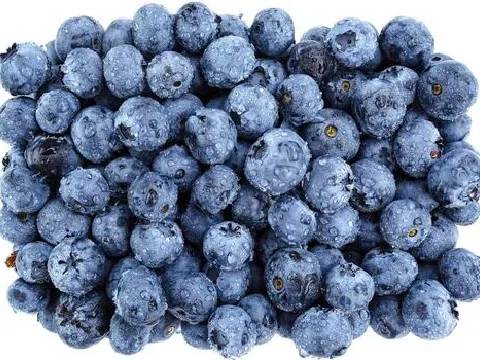
Blueberries
44The antioxidant marketing department's favorite — legitimately solid, not magic.
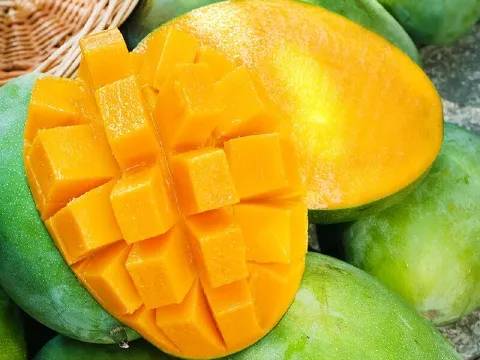
Mango
44Tropical sweetness with a real vitamin A and folate panel underneath.
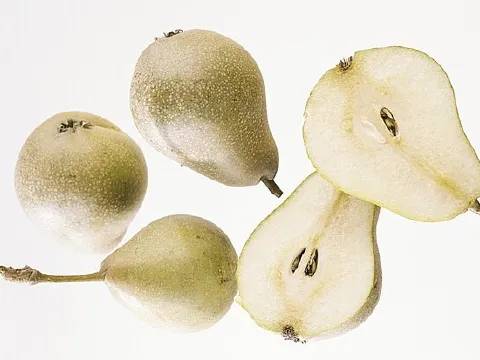
Pear
44Gentle fiber, gentle flavor — the apple's milder cousin.
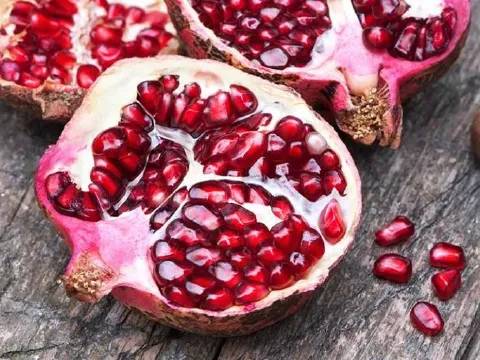
Pomegranate
44Labor-intensive arils hiding a strong folate and fiber panel.
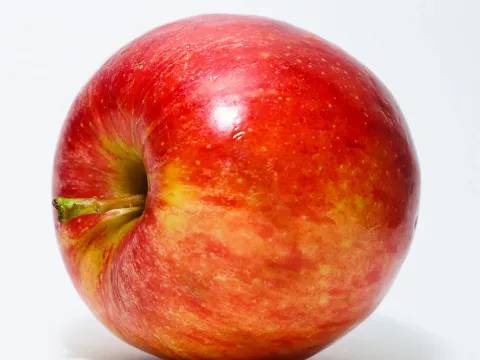
Apple
43The baseline fruit — fiber, crunch, and portability. Everything else is measured against it.
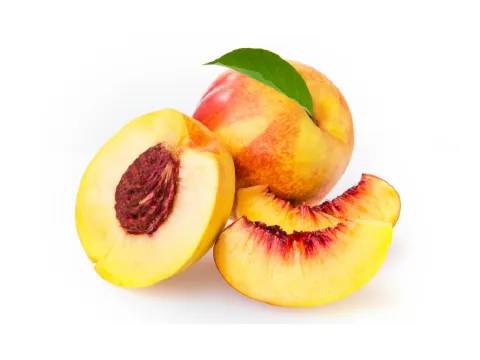
Nectarine
43A peach without the fuzz and without the fan club.
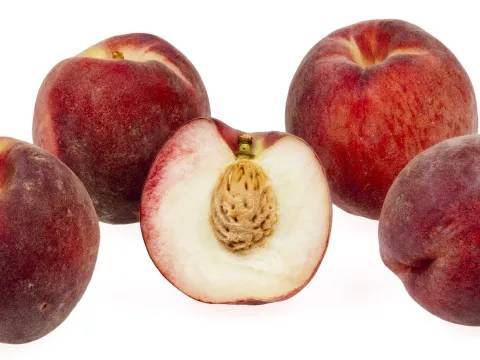
Peach
43Delicate, juicy, and nutritionally unremarkable — that's fine.
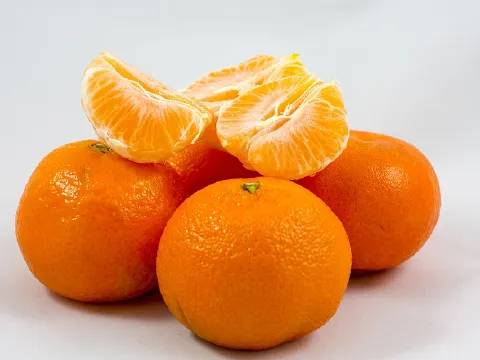
Tangerine
43The lunchbox citrus — easier to peel than to beat nutritionally, but fine.
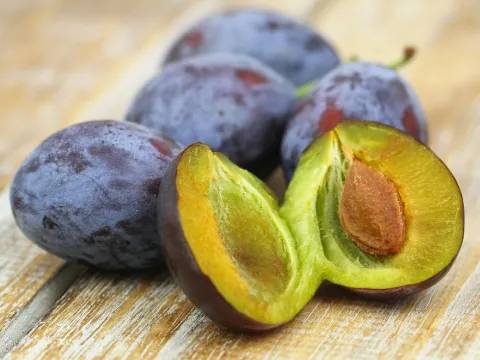
Plum
42Solid all-rounder stone fruit, no standout stats, no weaknesses.
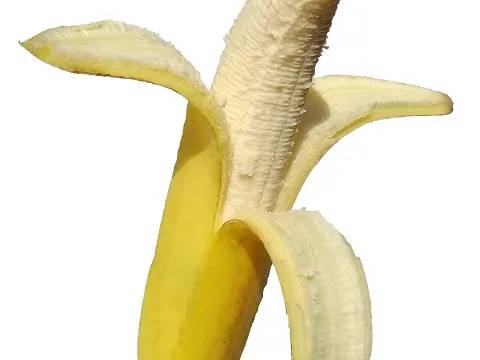
Banana
40The potassium cliché that earned it — 358mg plus real B6.
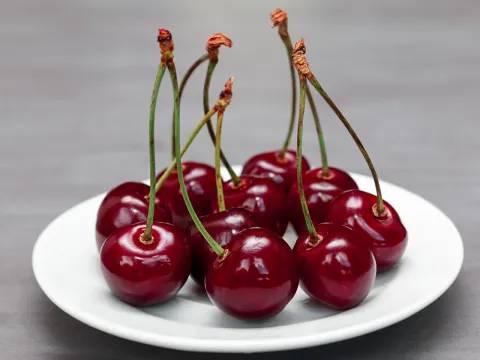
Cherries (Sweet)
40Tart cherry's sweeter sibling — the sleep claims belong to the tart kind.
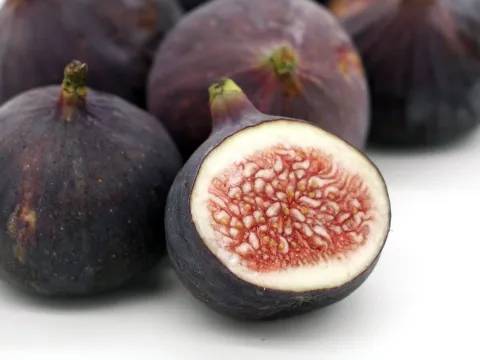
Figs
40Calcium and fiber in a honeyed package — fresh figs earn their keep.
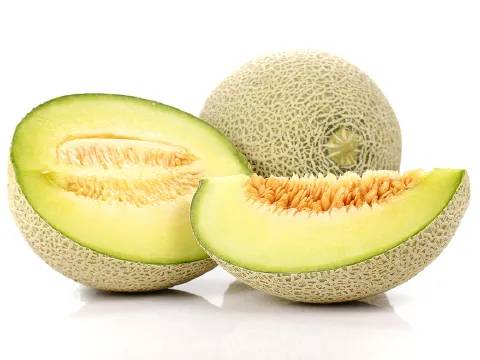
Honeydew
40Cantaloupe's blander sibling — fine, but the orange one wins.
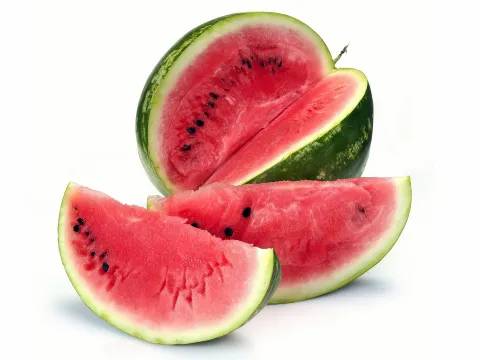
Watermelon
39Mostly water, honestly — but 30 calories of refreshing mostly-water.
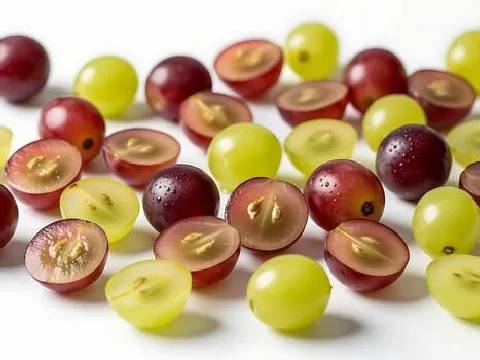
Grapes
36Nature's candy with the fiber removed — enjoy accordingly.
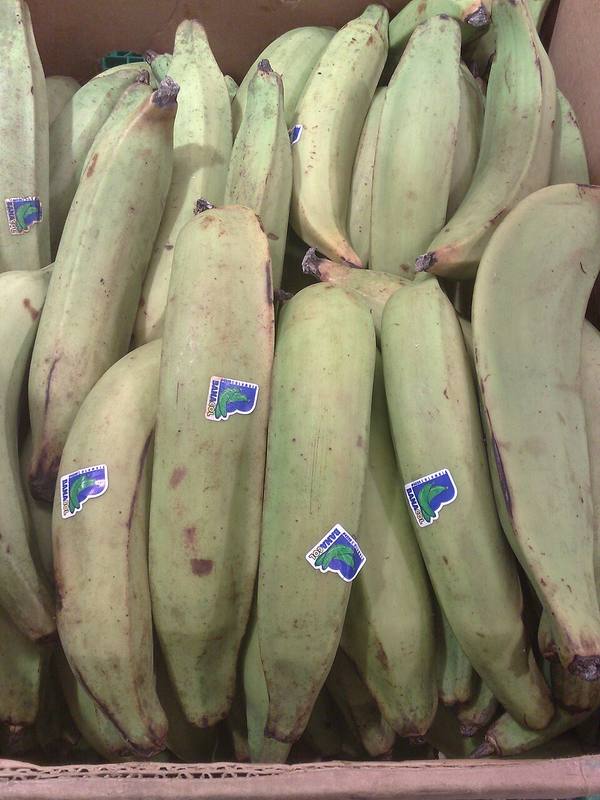
Plantain
31The cooking banana — starch-heavy and potassium-rich.
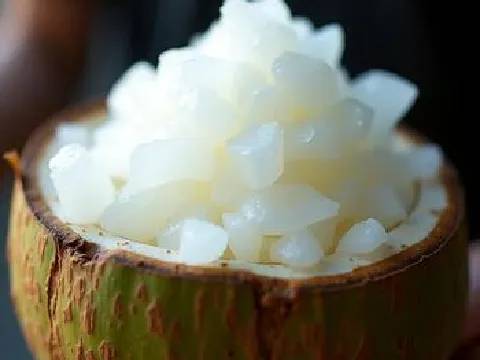
Coconut Meat
27A saturated fat wearing a fruit costume — the fiber is real, the rest is indulgence.
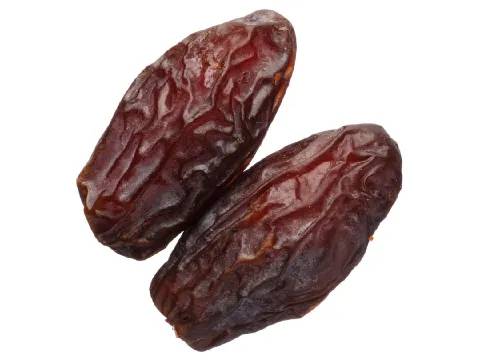
Dates (Medjool)
25Potassium and fiber wrapped in a sugar bomb — portion discipline required.
Questions
How are fruits scored?
Every food is scored 0–100 per 100 calories across five factors (protein, fiber, micronutrients and more depending on the category), combined with fixed weights, then ranked. The top 10% of the board earn S tier. Full methodology.
What is the healthiest fruit?
By our numbers: Blackberries — S tier, 64/100. See its full breakdown.