Home / Cheeses / Mozzarella (Part-Skim)
 S
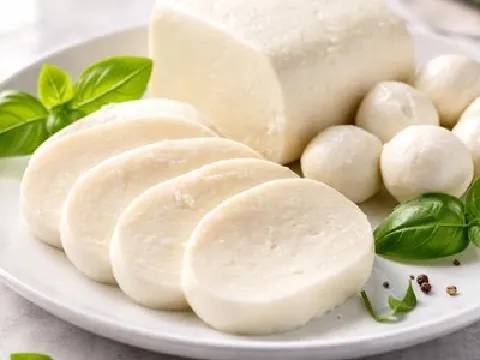
SMozzarella (Part-Skim)
Part-skim · Cheeses (Soft)
Graded S — 56 out of 100, #3 of 25 cheeses. Clean label carries the score (79/100); protein drags it down (34/100).
The short version: Pizza's protein alibi — 24g protein per 100g.
Nutrition facts
Nutrition Facts
Why it scored 56
Each factor is scored 0–100, then combined with the weights shown. Read the full methodology.
Where it ranks
#3 of 25 in Cheeses. Why per-100-calorie scoring changes everything →
More cheeses (soft)
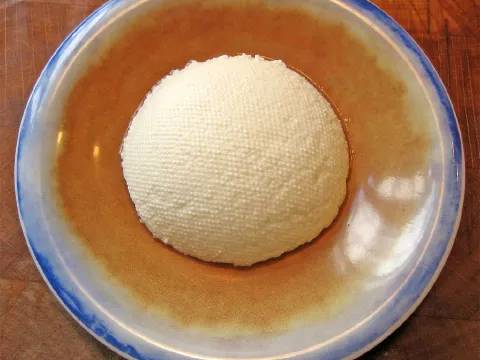
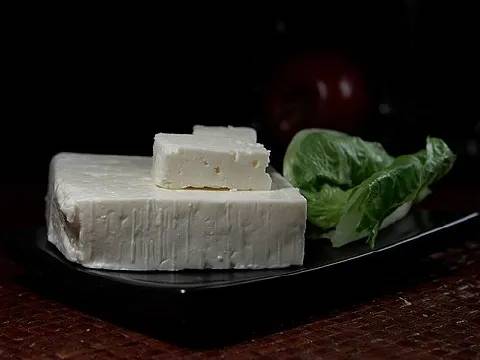
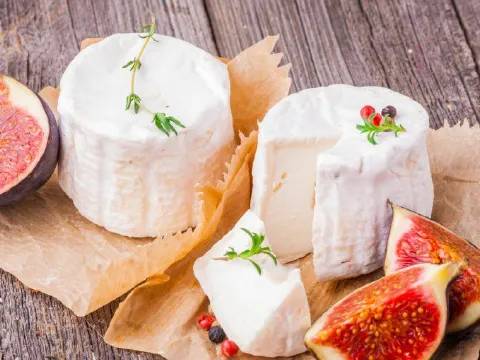
Head to head
Questions people ask
Is Mozzarella (Part-Skim) healthy?
It grades S — 56 out of 100, #3 of 25 cheeses in our system. Pizza's protein alibi — 24g protein per 100g.
How many calories are in Mozzarella (Part-Skim)?
28 calories per 100g. For context, that is scored per 100 calories here, which is why energy-dense foods can grade lower than you’d expect.
How is the nutrition score for Mozzarella (Part-Skim) calculated?
Each factor (protein, fiber, micronutrients, and others depending on the category) is scored 0–100 against a fixed benchmark, then combined with published weights. See the score breakdown above or read the full methodology.