 B
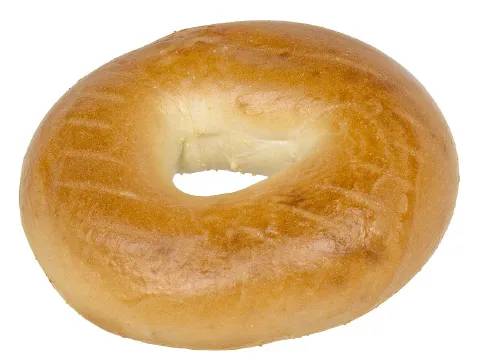
BBagel (Plain)
Plain, commercial · Refined Grains
Graded B — 22 out of 100, #11 of 20 breads. Clean label carries the score (49/100); whole food drags it down (0/100).
The short version: 270 calories of mostly refined flour. The cream cheese isn't helping either.
The catch: The bagel is a refined-flour delivery device — delicious, indefensible.
Nutrition facts
Nutrition Facts
Why it scored 22
Each factor is scored 0–100, then combined with the weights shown. Read the full methodology.
Where it ranks
#11 of 20 in Breads. Why per-100-calorie scoring changes everything →
Head to head

Questions people ask
Is Bagel (Plain) healthy?
It grades B — 22 out of 100, #11 of 20 breads in our system. 270 calories of mostly refined flour. The cream cheese isn't helping either.
How many calories are in Bagel (Plain)?
27 calories per 100g. For context, that is scored per 100 calories here, which is why energy-dense foods can grade lower than you’d expect.
How is the nutrition score for Bagel (Plain) calculated?
Each factor (protein, fiber, micronutrients, and others depending on the category) is scored 0–100 against a fixed benchmark, then combined with published weights. See the score breakdown above or read the full methodology.